A fervent faith and hard work
There is nothing, absolutely nothing, in his early childhood to point to a life on two wheels. In 1936, in the depths of the pre-war Depression, Hennie’s father and mother had the farm built to an architect’s design with two thousand guilders of borrowed money. Borrowed, not from a bank, for there was little confidence that the young farmer would be able to meet his obligations. But well-to-do farmers in the area did dig into their pockets. They had long since recognised in the Kuipers an unshakeable will to succeed in life: iron discipline and a steadfast faith. His father, Gerard (born 1903, died 1983; in full, Gerardus Eduardus), and his mother, Johanna (born 1911, died 1994; in full, Johanna Aleida Heerink), are devout Catholics. Hennie has enormous respect for the way his parents, helped in part by their faith, steered the family through every hardship. In the Kuiper family in those years, things simply begin with Adam and Eve and a world created in seven days.
In Catholic Twente, faith is lived more intensely than in Brabant and Limburg, the land of the ‘rijke roomsche leven’, the ‘rich Roman life’. There, Catholicism is practised with a wink. Made a little slip? Pop into the confessional, receive absolution, say five Our Fathers and Hail Marys, and hey presto, the party carries on. No, north of the great rivers the faith is practised differently. It is about heaven, it is about purgatory, but it is also very much about hell. And you can only stay out of there by keeping strictly both to the Ten Commandments and to the obligations of Holy Mother Church. The parish priest and the curate are still approached with due reverence, and hats and caps are doffed to the worldly notables: the mayor, the doctor, the notary and the policeman. Wartime bombs fall around their house, the ground floor is flooded when rivers and streams burst their banks, and the herd is decimated when foot-and-mouth disease breaks out. Time and again, Hennie’s parents find support in their strong faith.
The seminarian
His father spent a number of years training for the priesthood, but gave up his studies early. What he did take away from it was a strong religious devotion, and this he passes on to the family. Seven children grow up on the Kuiper farm: six boys and one girl, in the order Johan (1938), Gerard (1939), Maria (1945), Frans (1946), Bennie (1947), Hennie (1949) and Jos (1951). Not all the children Gerard and Johanna bring into the world survive. Had they all lived, the family would have numbered twelve children. One girl, Annie, is born with spina bifida in 1942 and dies soon afterwards. Three die shortly after the war from diphtheria, a disease that later becomes readily treatable: Leis (born in 1937) in 1945; Bernard (1941) and a second Annie (1943), both in 1946. Finally, in 1954, another little boy is born, Theo, who dies at eight months.
It goes without saying that all these deaths have an enormous impact, above all on the parents. Mr and Mrs Kuiper keep their grief to themselves and burden the other children with it as little as possible. ‘It was never talked about, either,’ says Hennie. ‘And they certainly never complained.’ It must have been Our Lord’s will. Of the seven children who did grow up at Erve Kuiper, the family farmstead, six are still alive. Johan died on 31 May 1997. Johan had earlier received a kidney from Bennie, but sadly to no avail.
All six boys become altar boys, and they stay altar boys even after puberty. In practice that is not always easy. You have to fast in order to receive communion, and an altar boy is expected to receive the host. So when you are serving at a solemn High Mass with three priests, which goes on for a very long time, an altar boy sometimes has to escape outside for a breath of fresh air. Sometimes it goes wrong and you keel over. It has happened to Hennie too. In the evening, after the family meal, there are prayers. His brother Bennie demonstrates how it goes. You push your chair back, kneel in front of it, fold your hands and bow your head reverently over the seat. There the family kneels around the table: father Gerard, mother Johanna, and the children Johan, Gerard, Maria, Frans, Bennie, Hennie and Jos. Their father leads the prayers. First the rosary, then the Litany of the Saints, often followed by a prayer for some disaster or other, such as the earthquake in Skopje in Macedonia. Kuiper senior gets that wisdom from the newspaper or from the radio, where every Sunday afternoon G.B.J. Hiltermann keeps politically minded listeners across the Netherlands informed of events elsewhere in his programme ‘De toestand in de wereld’ (‘The State of the World’).
The six boys and their sister Maria want for nothing. It is expected – especially of the older ones – that they too will roll up their sleeves for the farm work. Their father is in charge, but because of stomach trouble he cannot pitch in fully. He is regarded as an intellectual, the only one in the area with a partial seminary (and therefore classical) education. Their mother runs not only the household but the farm as well. She works from early morning till late at night. When her husband has to go into hospital for a stomach operation, she is left on her own. She looks after the livestock, helps the little ones to bed and the others off to school, and in the afternoon cycles to the hospital in Oldenzaal and back. Then she makes the meal, oversees the milking and in the evening makes sure everyone gets to bed. When acquaintances ask her whether she isn’t tired, she replies: ‘I’m never tired.’ She would consider it beneath her to let anyone see she is tired. ‘In many ways I take after my mother,’ says Hennie. Later, as a rider, Hennie too can shift mountains of work tirelessly, without a single complaint. The world of Hennie, his brothers and his sister revolves almost entirely around the farm and the school in nearby Denekamp. Once a year they take the bus to Enschede, 25 kilometres away, to visit family. It feels like a journey round the world. One uncle lives in The Hague, but Hennie cannot remember ever visiting him. The Hague lies beyond the family’s imagination, and beyond its purse.
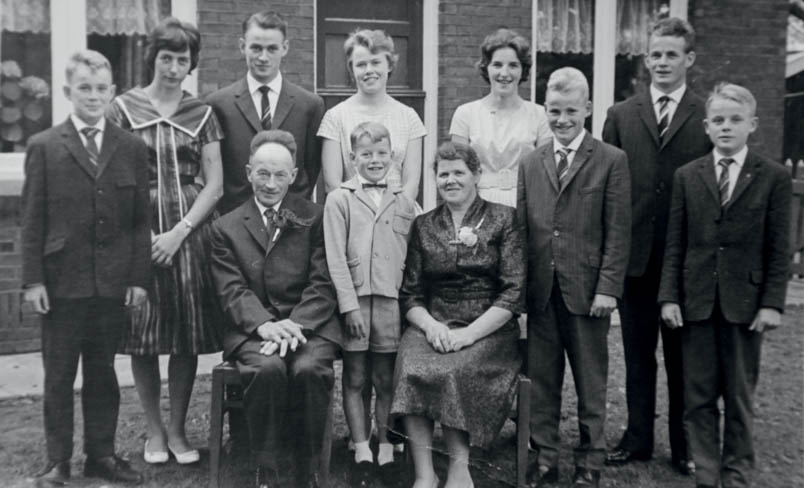
The whole family of Gerard and Johanna Kuiper, with partners. In the foreground, from left to right: father Gerard, brother Jos and mother Johanna. Standing, from left to right: Bennie, Trees (Gerard’s fiancée), brother Gerard, sister Maria, Marietje (brother Johan’s fiancée), brother Frans, brother Johan and Hennie
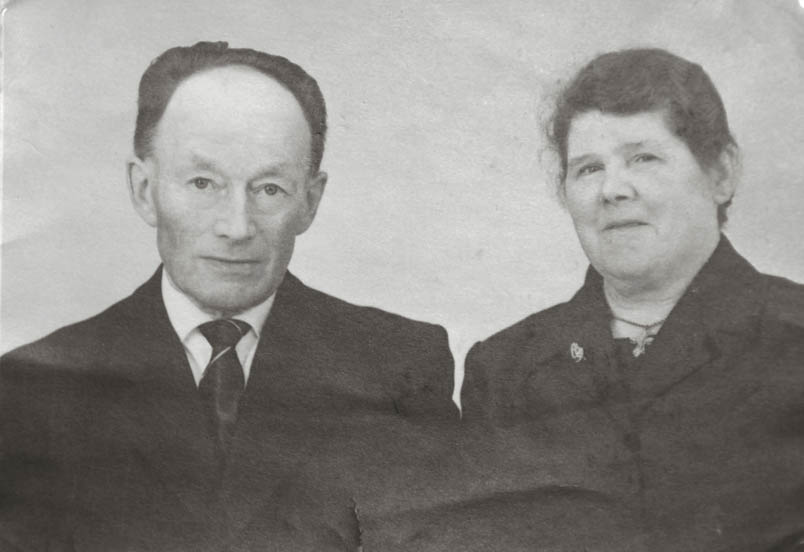
Hennie Kuiper’s parents in a formal portrait: father Gerardus Eduardus Kuiper and mother Johanna Aleida Heerink
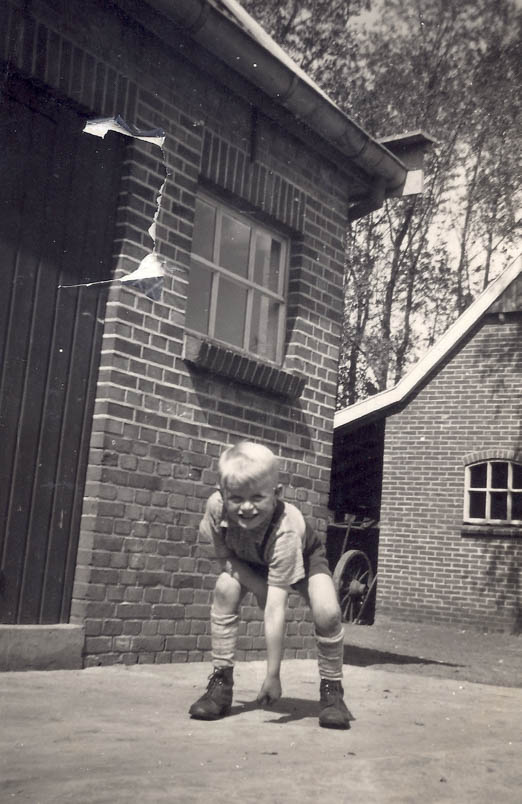
Hennie Kuiper, aged six, on the farm where he spent his childhood
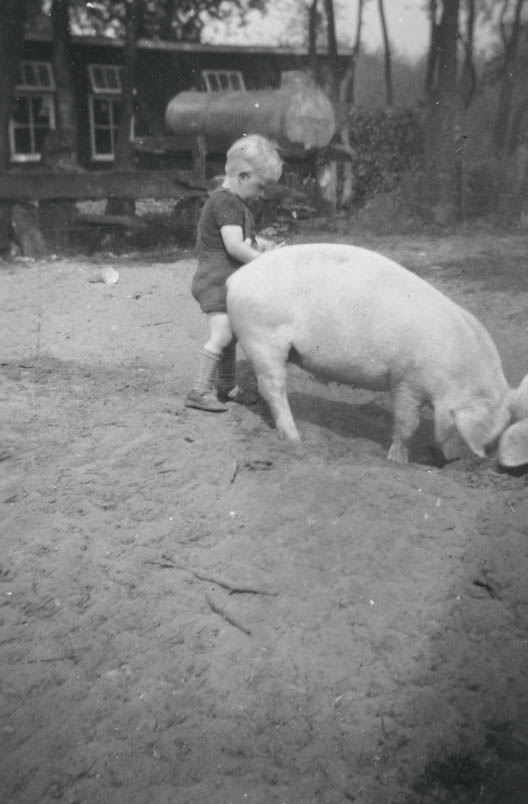
Hennie is a nature lover. Ever since he was a child he has liked nothing better than playing out in the open. No wonder, then, that here on his parents’ farm he is playing with a pig
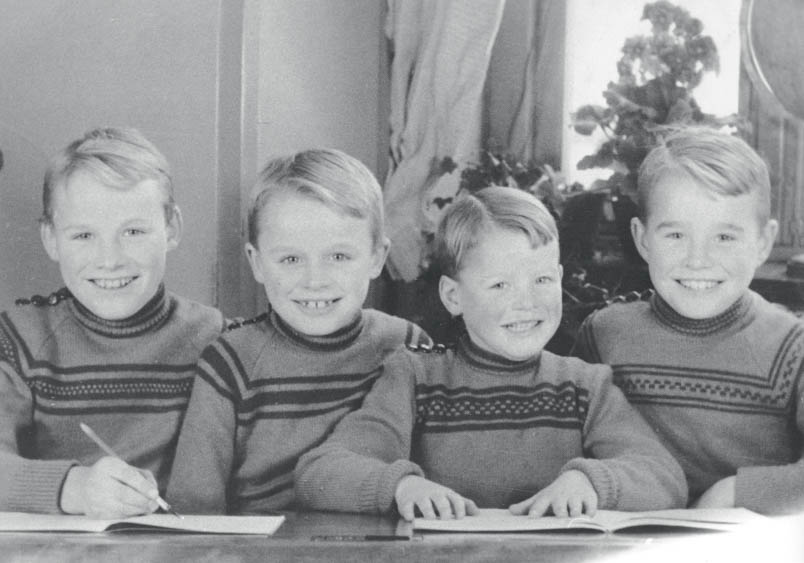
Proudly wearing jumpers knitted by their mother Johanna, the brothers pose, from left to right: Frans, Hennie, Jos and Bennie
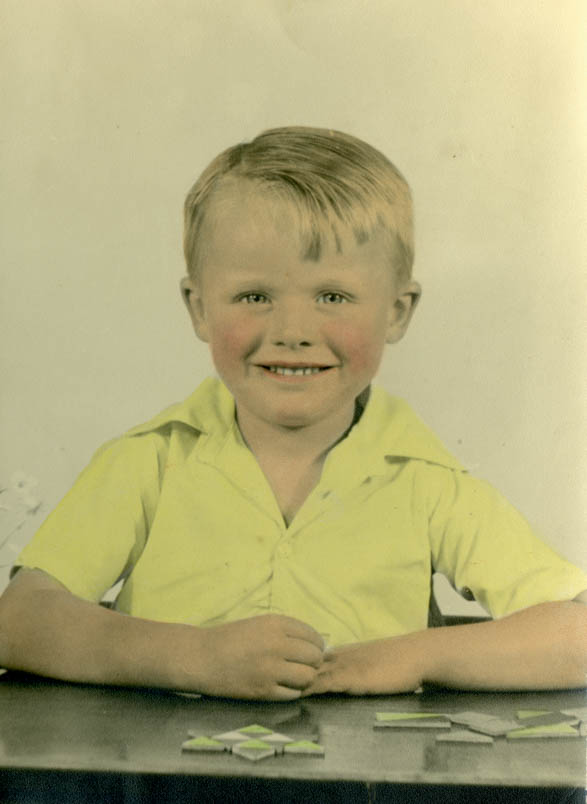
Hennie’s first school photo, taken at the infant school in Noord Deurningen
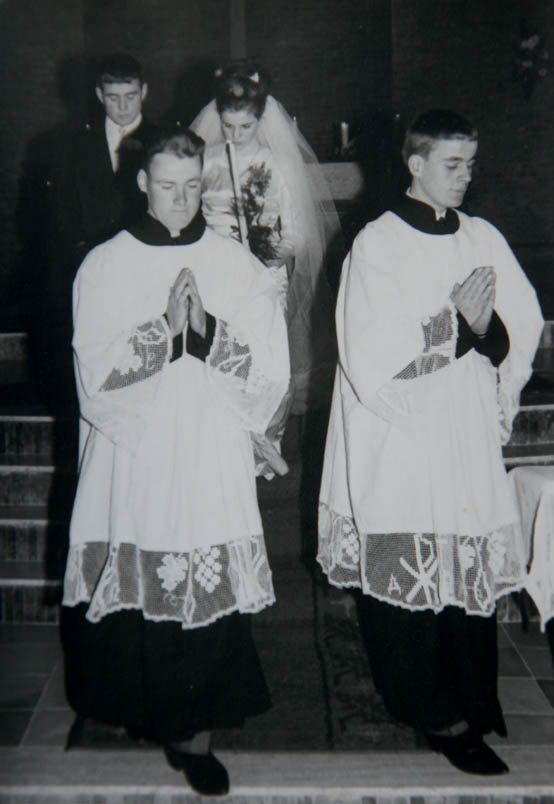
Hennie (right) with his brother Frans as altar boys at the wedding of their brother Bennie and Thea
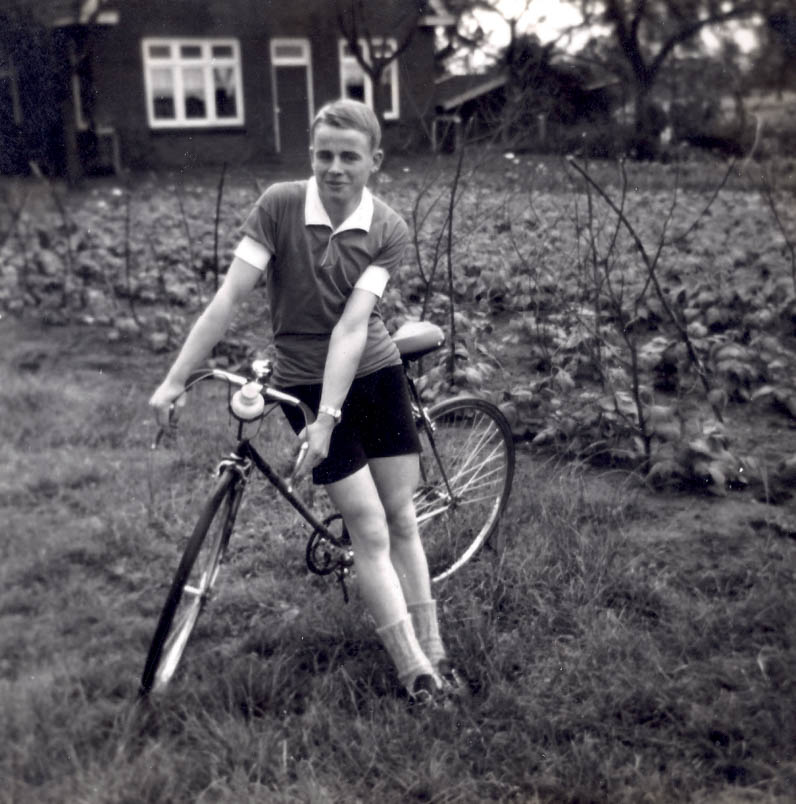
In 1965 Hennie poses in the farmyard in his first racing jersey, made by Rika Kamphuis from Enschede, who altered a football shirt for the purpose
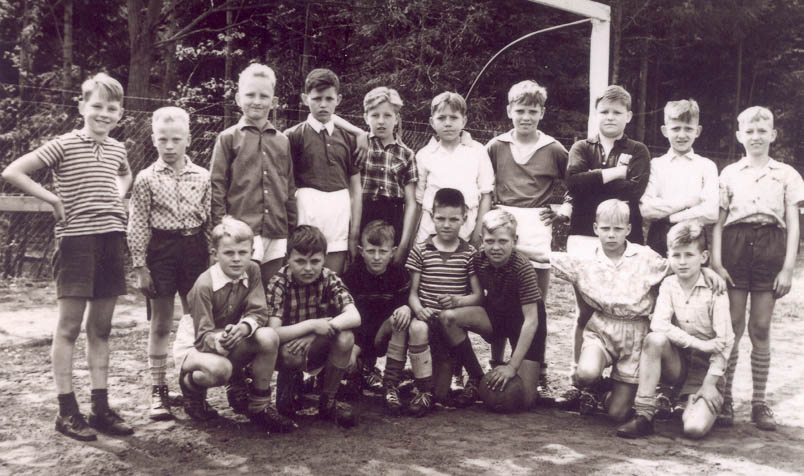
Like every healthy Dutch lad, Hennie also enjoys a game of football. Here he is kneeling on the far left of the front row of his street football team
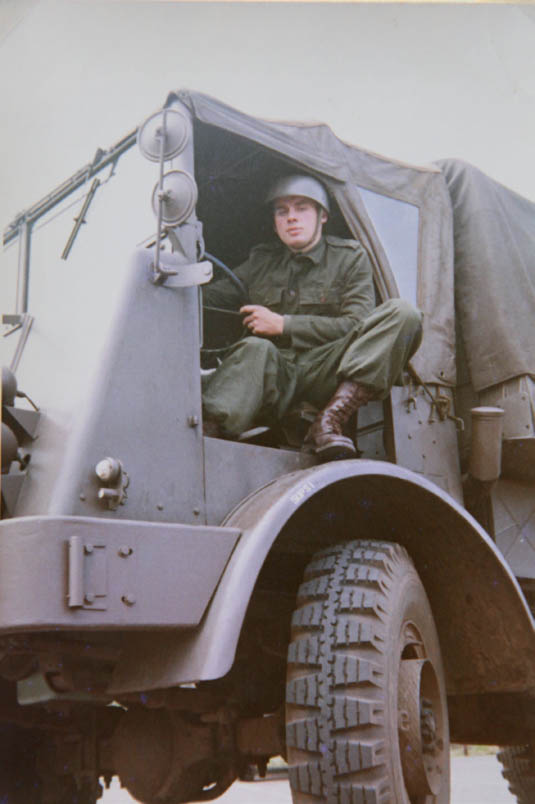
Hennie is stationed at Harskamp, where during his military service he is trained as a driver with the medical corps
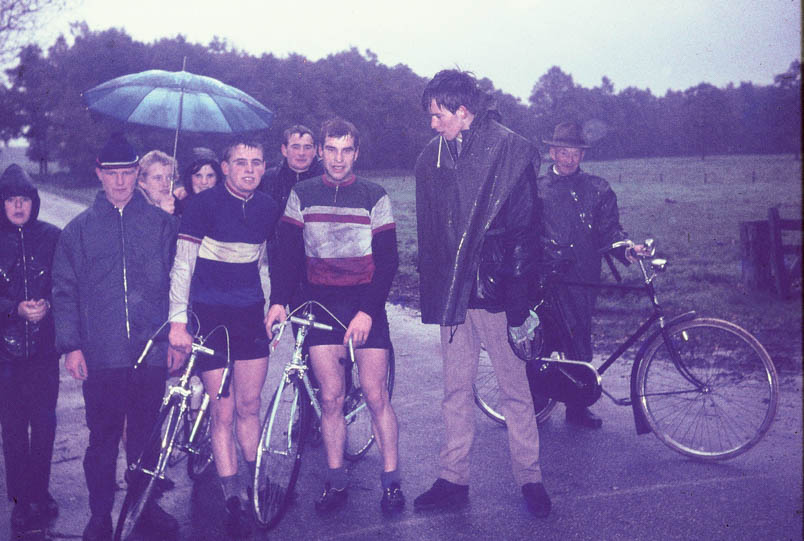
The elements never bother the Kuipers, as here at the OWC club championships in Oldenzaal. Hennie is the one on the left of the two with racing bikes. The other is Ben Wigger. Then, from left to right: unknown, Alfons Oortman, Ine Nolten with an umbrella, Thea (Bennie’s girlfriend), brother Bennie, Wim Horsthuis and father Gerard Kuiper wheeling his bike – setting a good example
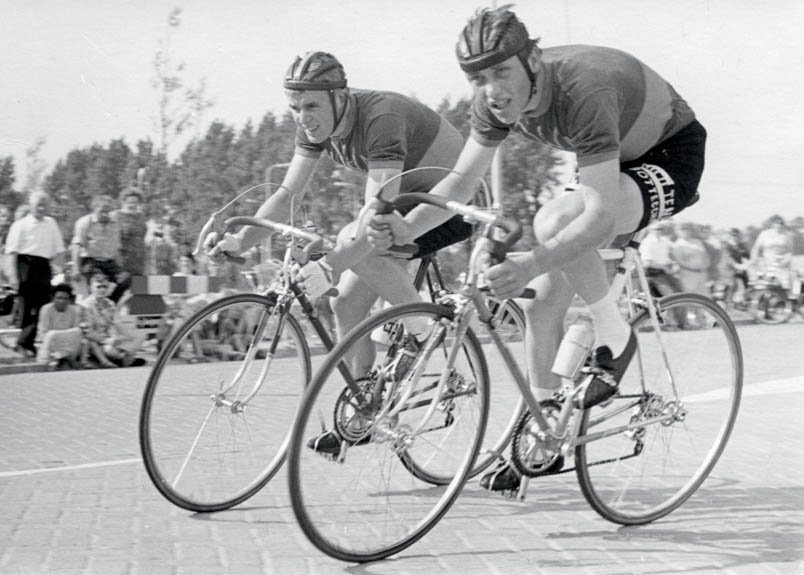
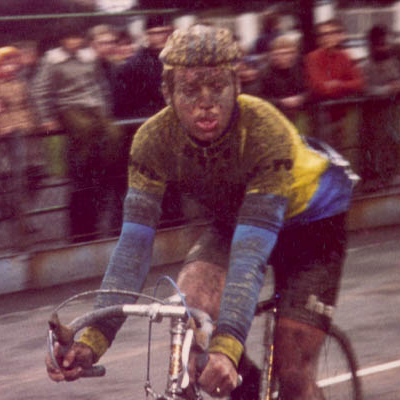
In 1968 – his first year as an amateur – Hennie Kuiper, together with Gerrit Huisjes, chases the lead group in the Ronde van Deventer
Love, but no tenderness
The parents love their children dearly but can never show it. Hennie cannot remember ever sitting on his father’s or his mother’s lap. Later he sometimes sees it in other families, but cuddles or any other form of tenderness have no place in his family; it is just not done. Displays of affection are foreign to them. ‘At home there was no room for feelings.’ The Kuiper children were never taught it. Later, when he starts a family with Ine, the same pattern is followed. Hennie cycles, trains diligently, rides his races. He brings home the money for the family, for Ine and for their sons Patrick (Patrick Gerardus, 1974) and Bjorn (Bjorn Hendrikus, 1979). His philosophy is: work now, and enjoy life later, when his career is over. He does not realise that he should go about it differently – that, as he sees it in hindsight, he ought to give more attention to Ine and the family. His son Bjorn describes his father as extremely introverted about his feelings. In that period he finds it hard to express himself, ‘even towards Mum.’
The rare moments when some affection is shown hold a special place in Hennie’s memory. He still treasures the walk with his father to a plot of land belonging to the Kuiper family. A ditch separates father and son from the meadow.
His father takes off his clogs and socks, rolls up his trouser legs and lifts his son onto his shoulders. Physically, Hennie has never been closer to his father. He savours every moment of being carried across on his father’s shoulders. ‘I felt happier than a king.’ More than half a century later his eyes still shine when he thinks back to it. The boys not only sleep in one room; they also have to share beds: Hennie with Bennie, Frans with Jos. The beds are separated by a cramped little passage. There is barely room to kneel for morning prayers. But nobody grumbles. Despite their modest means, Mr and Mrs Kuiper find a way for all seven children, their daughter included, to study. That is exceptional. Hennie comes from a large family of more than a hundred cousins, 90 per cent of whom go to domestic science school or trade school. Learn a trade quickly and then go out to work. After all, the household purse has to be filled. In Hennie’s family things are different. They are free to study whatever they like.
A speech impediment
At primary school it becomes clear that Hennie has a speech impediment. He stutters, sometimes snagging on every word in a sentence. He has particular trouble with the letter ‘k’. In the family, in the small community of Noord Deurningen, nobody minds. His brother Frans hardly thinks it worth talking about. He and the rest of the family are far too down-to-earth – Tukkers, as people from Twente are known – to see a stutter as a handicap. At school it is another matter. Children can be cruel to one another: real bullying. Hennie remembers that at first he reads aloud well. A 9 out of 10 graces his school report, but it goes wrong when, later that school year, he is given a turn at reading that decides his mark. He often drifts off into daydreams, full of fresh memories of everything he has seen on his rambles through the fields. ‘Sometimes I’d be out of bed at 6 in the morning to spot birds, hares and pheasants.’ So he is not paying attention, gets his turn to read, has no idea where the pupil before him left off, and ends up stuttering through the paragraph word by word. He is punished for it on his next report. The 9 on the first report becomes a 4 on the second. At the parents’ evening his father and mother are told: Hennie can’t even read properly. ‘I thought it terribly unjust. I absolutely can’t stand injustice. That was the real starting point of my speech problem.’
Every term after that, when the day comes on which he has to read aloud, nerves grip him by the throat. He can still remember how those moments felt. When the teacher announces Hennie’s turn, his face burns like fire. The red creeps right up behind his ears. The class is deathly quiet; you could hear a pin drop. But of course it is hopeless. He freezes. The school and his parents try to help him. But he has only bad memories of the speech therapist he is assigned. First, because on his free Wednesday afternoon he has to cycle ten kilometres to Oldenzaal for the lessons, when he would so much rather spend those hours roaming the wide fields around his parents’ farm; and second, because the lessons achieve precisely nothing. The therapist gets no further than having him read aloud a little. He hears nothing about breathing techniques, self-control or anything else that might help a stutterer. And so for all those years Hennie keeps snagging whenever he wants to say something. Doesn’t it hurt, all the bullying he has to put up with on every side? Hennie shrugs. ‘Not at all. Stupid people – because that’s what bullies are – can’t hurt me, and intelligent people don’t hurt me.’ He lets the scorn and mockery slide off him.
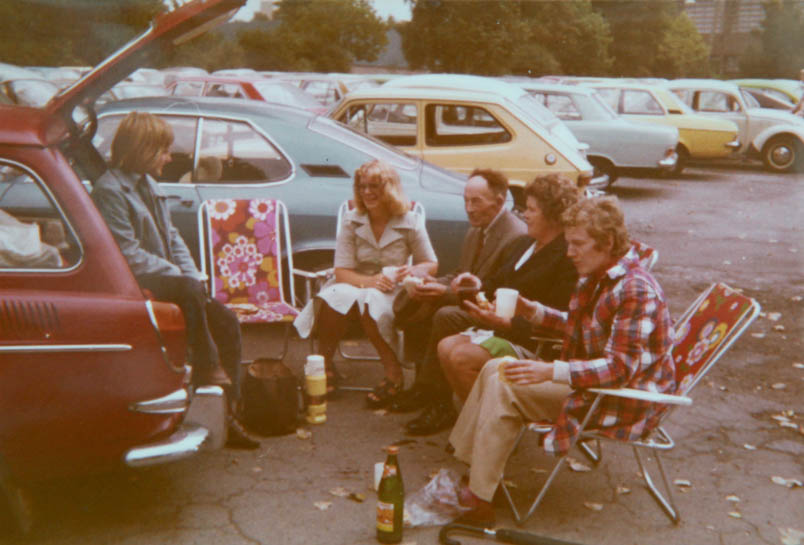
Hennie’s father and mother do not often come to races, but when they do, they make a day of it. In 1975 they are at the GP Union in Dortmund, picnicking from the car boot with some of Hennie’s supporters and Ine (front right), the wife of Hennie’s brother Jos, who died too young
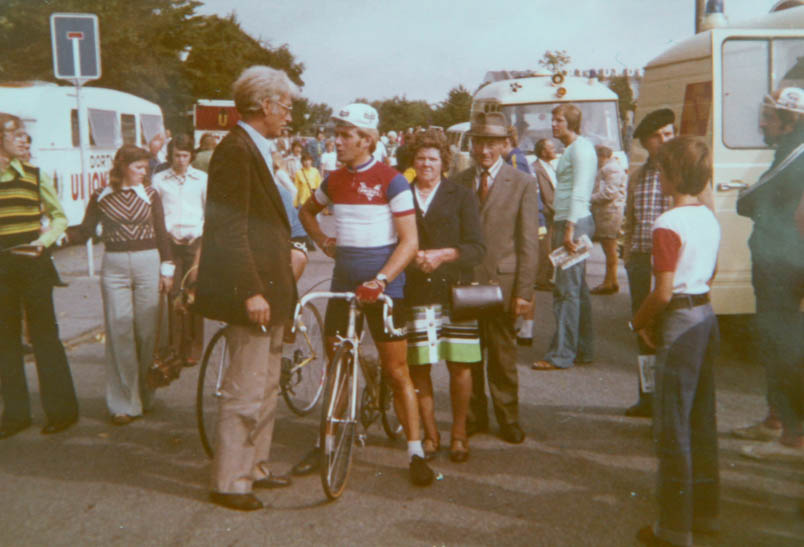
Before the race Hennie, backed by his mother and father, talks to Wim Poot, Rokado employee, journalist and co-organiser
A hammer blow
Despite his handicap he is still able to go to the mulo, the lower secondary school, where he gets his diploma. And then comes the question: what do you want to be when you grow up? Hennie has a dream. He wants to do the same as his older brother Gerard: teach. Because he loves working with young children. Nobody warns him that his speech impediment might stand in the way of getting into teacher-training college. Not even his brother Gerard, who hopes Hennie will get through the selection anyway and that at college he will get over the problem. But no. Hennie is turned down. ‘That hit me like a hammer blow. I’d never had a major setback in my life, and now this.’
Well, what now? He is too late for the hbs, the academic secondary school. There is a freeze on admissions. There is no room left at the mts, the technical school, in Hengelo either. In those years – when the baby boomers are reaching secondary-school age en masse – places at schools are fought over. His brother Gerard advises him to go with his ‘bedfellow’ Bennie to the Catholic mts in Enschede. Bennie, who has lost a year because the hts, the higher technical college, was too much for him, has already made that decision. For Hennie, being paired with his brother is a tremendous support. He and Bennie are a twosome. They share a bed, cycle together to primary school and secondary school, and now they are reunited, to Hennie’s great delight. ‘After his hts adventure Bennie knew the ropes in the big wide world beyond Denekamp.’
The distance between the farm and the school in Enschede – 25 kilometres there, 25 kilometres back – is covered by bike. In hindsight, marvellous training for his sport. Every morning he and his brother Bennie climb onto their bikes, whatever the weather. A Kuiper does not let himself be beaten. In all his years at secondary school it is never up for discussion. Hennie never cycles reluctantly. On his ordinary bike, in a fixed and fairly low gear, he churns out kilometre after kilometre, as his trainer, the former professional Broer Oude Keizer, has advised him.
With total commitment he and his brother Bennie conquer first the Tolbult and then, just before Oldenzaal, the Denekampse bult, which has a steep stretch with a gradient of around 4 per cent. It is his daily dose of climbing and – on the way down – of suppleness work. On the way home the boys tuck in behind passing mopeds. Day in, day out, they train their heart and lungs. That is how farmers’ sons are toughened. Later, in his career as a professional, Hennie benefits greatly from it. When somewhere before the start of a race the rain is lashing the riders’ backs, when thunder rolls or when the bitter cold numbs the fingers, you see most of the professionals riding to the start line with long faces. Not Hennie. Nor his fellow rider Adrie van der Poel, another farmer’s son. ‘Adrie always used to say: “Great. Half of them can’t be bothered. That’s them out of the way already.”’ Hennie and Adrie don’t care in the least. Life in the countryside has made them weatherproof.
The seed of cycling is sown
By the time he makes the daily journey to the mts in Enschede, Hennie has already lost his heart to cycling. Nobody in his immediate circle has anything to do with the sport. Yet from his very first encounter with it, Hennie is wild about cycling. It happens at the ‘Meesterronde’ in Denekamp. The 13-year-old Hennie wriggles his way to the front through the crowd and is captivated by the men flogging themselves on racing bikes in a ‘wild’ – that is, unofficial – race. He hears the whirr of the chains and the hiss of the tyres, smells the massage oil, and he is fascinated by the speed. ‘I want to do that too. Next year I’ll be in it.’
Fate smiles on him. A drainage canal is being dug in front of the farm. Surveyors, overseers and engineers from the west of the country rent lodgings with the Kuiper family during the week. It is a welcome source of extra income for the family. The boys move up to the attic, where they camp out directly under the roof tiles. If it freezes outside, it freezes in the attic too, but nobody complains. For their stay on the Schotbroekweg the surveyors and engineers have bought second-hand bicycles. When the workmen leave, Hennie and his brother Bennie see their chance. Can they have those bikes? They can. So with hammers and other heavy tools they strip every unnecessary attachment off the bikes, rebuild the handlebars into something resembling drops and so create their first ‘racing bikes’.
A year after Hennie’s first encounter with cycling, he and Bennie ride their first race, in that same Meesterronde. Bennie crashes. It is the end of his cycling career. His great love is horses. Later he becomes known nationally as an eventing rider. Hennie rides to second place in the Meesterronde. Hennie Kuiper’s cycling career has begun. Kuiper may already have achieved fine results in the region and abroad, but to the Dutch cycling public he is still unknown. That changes at the 1970 national amateur road race championship, held in Helmond. There, in the finale, Hennie Kuiper makes the decisive attack. He opens a gap, then waits for Cees Koeken, who jumps across to him, and eventually finishes second. For most of the press pack, Hennie is the new kid on the block. And so fifteen, twenty journalists pounce on this still unknown Tukker. To the outside world he gives the impression of wanting to crawl away and hide. He tells his story shyly. But everyone likes him and is charmed. A real talent from Twente… Ine has known him since he was fourteen. She knows he does not like being the centre of attention. ‘Riding fast is one thing,’ she knows, ‘he can do that all right, but dealing with the attention’ that inevitably goes with his results ‘is something else.’ As long as he is racing abroad – Yugoslavia, Bulgaria, France and the like – he remains more or less anonymous, because he does not speak the language.
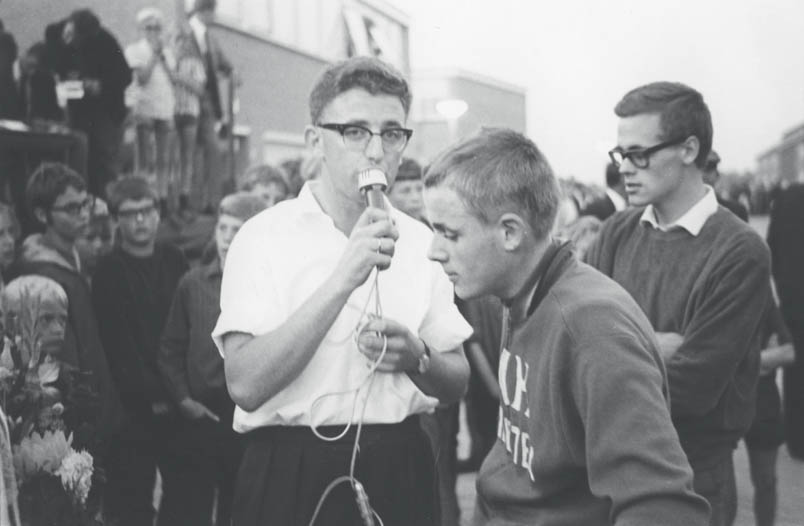
Racing comes more easily to Hennie Kuiper than facing the man with the microphone, as here in 1966 as a first-year novice in the Ronde van Zwartsluis
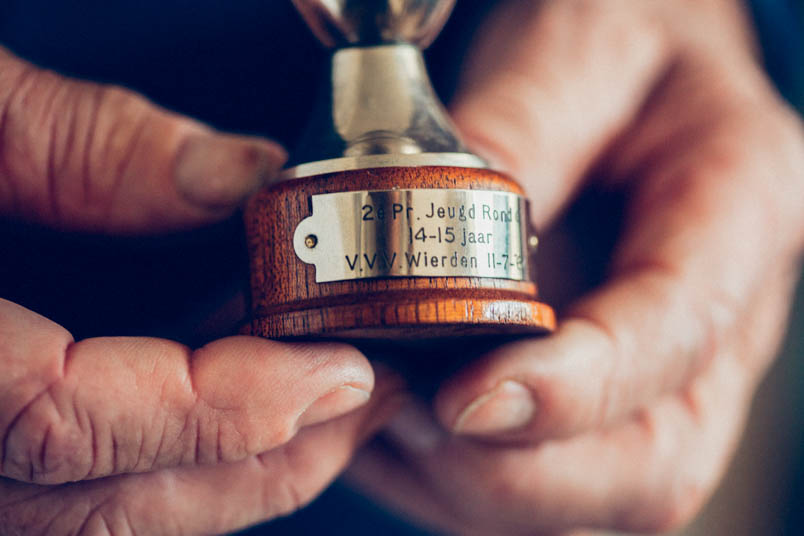
The little cup Hennie holds dearest. His first trophy. How typical: won in the pouring rain. The inscription says it all: ‘2nd Prize Youth Race / age 14-15 / V.V.V. Wierden 11-7-’64’